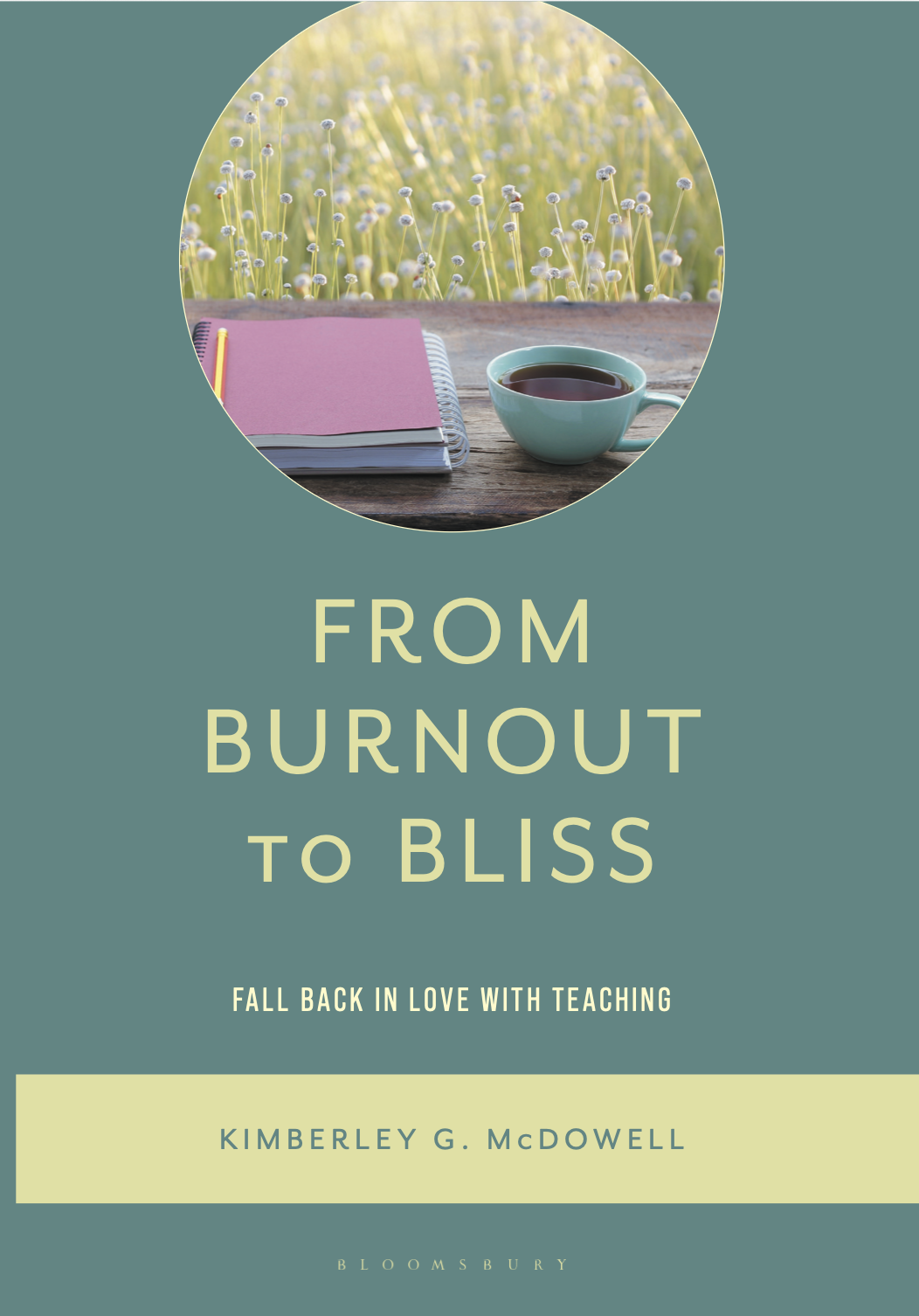
If you have explored my work, you already know that celebrating self-care is at the heart of everything I do. Sharing the gift of well-being has truly become my life’s mission. I am deeply passionate about helping our incredible teachers embrace wellness and self-kindness, empowering them to shine bright and thrive in their classrooms every single day.
Alongside self-care, I want to introduce another essential tool for our wonderful educators: self-compassion. While distinct from self-care, self-confidence, or self-esteem, self-compassion is beautifully simple—it is the art of being deeply kind to yourself without judgment. Teachers naturally excel at pouring love, support, and kindness into their students. My hope is to help them offer that very same gentle care to themselves.
Why is self-compassion so vital for teaching and thriving in the classroom? For one, it allows us to bounce back from the daily setbacks and unexpected challenges with much more optimism and grace. Secondly, treating ourselves with kindness actually fuels our motivation, inspiring us to grow, improve, and keep giving our best. Lastly, practicing self-compassion allows us to model resilience and perseverance to our students.
How praticed are you in the art of self-compassion? Self-compassion is a skill that requires intentional, daily practice to override our automatic habits of self-criticism.
When a mistake happens, do you find yourself judging your efforts harshly, or can you offer yourself a bit of grace? Forgiving yourself for an error prevents you from getting stuck in a loop of shame and opens the door to constructive learning.
Do you remind yourself that missteps are simply part of our shared human experience? Recognizing that everyone fails helps dissolve isolation, connecting your personal struggles to the universal journey of life and if you choose to share your mistakes this can help build colleagueship.
And finally, are you able to sit with those tough feelings for a moment, and then gently release them so you can move forward and grow? Processing difficult emotions without suppressing them allows you to let go of the pain while keeping the valuable lesson.
These are important questions to help you find more compassion for yourself and to find more balance in the classroom. Thankfully, this isn’t another chore to add to your list. Instead, you’re already doing it—perhaps you can just practice what you naturally do more gently. If this resonated with you, feel free to forward to a fellow teacher that might need this reminder today. Thanks for reading! kim


Leave a comment